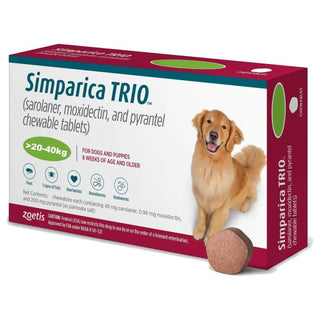
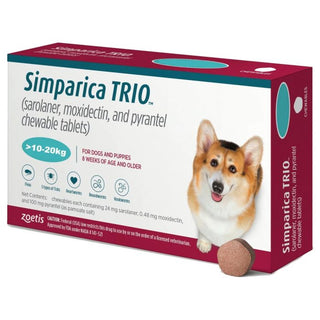


Not much to add. Dog tolerates it and price is good


Lamb bones are often seen as a natural, protein-rich treat for dogs. Many pet parents believe that because dogs are natural chewers, giving them bones—especially from lamb—is harmless or even beneficial. But is that really true?
If you’ve ever wondered, “Can dogs eat lamb bones safely?”, you’re not alone. This is a common question, and the answer is not a simple yes or no. In this detailed guide, we’ll explain which lamb bones are dangerous, why cooked bones are risky, what vets recommend, and safer alternatives to keep your dog healthy and happy.
Dogs should not eat cooked lamb bones, as they can splinter and cause serious injuries. Raw lamb bones may be safer in some situations, but they still come with risks and should only be offered under strict supervision.
When dogs chew on bones, fragments can break away. These sharp pieces may:
In severe cases, bone splinters can perforate the digestive tract, causing internal bleeding and infection.
Bone fragments can become stuck in your dog’s throat or airway, leading to choking, gagging, or difficulty breathing. This is a medical emergency that requires immediate veterinary attention.
Swallowed bone pieces can block the stomach or intestines. Obstructions prevent food from passing normally and may cause:
Many intestinal blockages require emergency surgery, and delays in treatment can be life-threatening.
Some owners believe bones are good for a dog’s nutrition or dental health. In reality, dogs get all the nutrients they need from a complete, balanced dog food. For dental care, safer alternatives like vet-approved dental chews, brushing, and professional cleanings are far more effective—and much safer.
Cooked lamb bones are one of the most dangerous foods you can give your dog. Cooking alters the bone's structure, making it brittle and prone to splintering.
Even a single cooked lamb bone can cause life-threatening complications. This includes bones from roasted lamb, lamb chops, or leftover bones from curries and stews.
Bottom line: Never give your dog cooked lamb bones—no matter how large or soft they appear.
Raw lamb bones are often considered safer than cooked bones because they are softer and less likely to splinter. However, “safer” does not mean “risk-free.”
If you choose to offer raw lamb bones, they should be large, meaty bones (not small or brittle ones) and given only occasionally.
Not all lamb bones are equally risky. Some are especially unsafe for dogs.
These bones are more likely to splinter or be swallowed whole, increasing the risk of choking or internal injury.
If your dog has eaten a lamb bone—especially a cooked one—watch closely for warning signs. Seek veterinary help immediately if you notice:
Prompt treatment can prevent serious complications.
Most veterinarians do not recommend feeding bones—especially cooked ones—to dogs. While raw feeding advocates may support raw bones, many vets prefer safer, controlled alternatives that reduce risk.
Veterinary professionals often suggest:
Always put your dog's safety first—follow your veterinarian's advice when choosing chews.
If your dog loves to chew, there are plenty of safer alternatives that provide similar benefits without the risks.
These options help satisfy chewing instincts while protecting your dog’s teeth and digestive system.
If you decide to give your dog a raw lamb bone, follow these safety tips:
Protect your dog—never leave them alone with a bone, and supervise every chew session.
Dispose of leftover bones securely and keep trash bins covered. Dogs are skilled scavengers, especially breeds known for their food motivation.
Dogs may find discarded bones outdoors. Use a leash when needed and keep a close eye on what your dog picks up. For dogs with a strong scavenging habit, a basket muzzle may help prevent dangerous snacking.
If you see your dog swallow a bone or suspect they have swallowed one, do not wait for symptoms to appear. Call your vet immediately. The sooner a potential obstruction is addressed, the better the outcome.
Cooked lamb bones are never safe for dogs and should always be avoided.
Raw lamb bones may be safer, but they still carry risks and should be given only occasionally under close supervision.
For most pet parents, dog-safe chews and dental treats are a better, safer choice. They provide the same chewing satisfaction without putting your dog’s health at risk.
When in doubt, always consult your veterinarian before introducing bones or new foods into your dog’s diet.
Overall rating: 4.8 / 5 from 1134 reviews.
Not much to add. Dog tolerates it and price is good

This is the only flea medication that works for us where we live.

This on-line company is such a good find. They provide quality products at a good price with delivering them efficiently. Definitely recommend purchasing from them.

Items arrived on time and work great!

Love stronghold

Same product at a great price

Fast shipping great quality and price

We are happy with Heartgard Plus

I’ve been using Symperica Trio for a yr now. Love it. 79 pets ships fast and prices are more affordable. Thank You

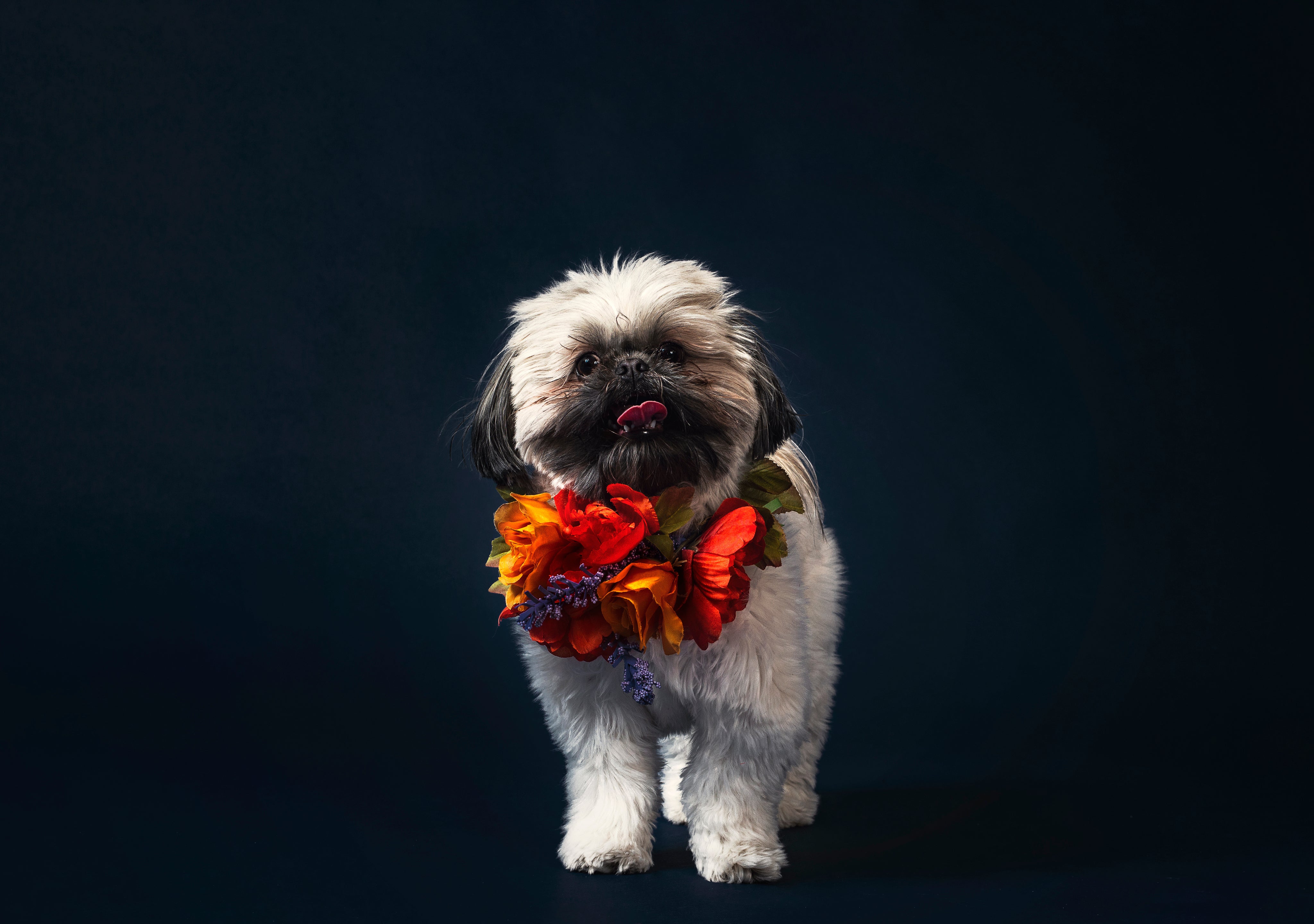
Right after a haircut. 6 year old dashund/shih Tzu mix

Great deal on flea/tick. Helps take care of my pup
Stronghold Violet For Dogs 5-10lbs (2.6-5kg)

Two sweet girlies decided to make our deck their home. Mosquitoes are a big problem where we live and we had to get them protected. This was the best bang for the buck. I’ve ordered from 79Pets several times and while delivery is not fast it is very consistent.
Revolution Plus For Medium Cats 5.6-11 lbs (2.6-5kg)

As a retired veterinary technician I was extremely happy to finally see a flea and heartworm medication that actually does tapeworms too!!!!!!! This is a 1st to my knowledge....I live in a tropical climate where fleas never die so this is heaven sent.
Nexgard Combo For Cats 5.5-16.5 lbs (2.5-7.5 kg)

Great for free delivery worldwide and it took shorter time than I expected. Thanks
Simparica Trio For Dogs 5.6-11 lbs (2.5-5 kg)

My dog is excited to have her Advocate given every month! Great customer service and we're already a returned customer!
Advocate (Advantage Multi) For Small Dog Upto 4kg 8.8lbs (4kg)

Great price, authentic quality and reliable shipping. Shipping takes a bit longer, since it is being shipped from abroad. But still a reliable service.
NexGard & Heartgard (Green) Combo Dogs 24-60 lbs (10-25 kg)

79 pets has great service, they resolved my issue when I purchased by mistake . Thank you!
Simparica Trio For Dogs 22.1-44 lbs (10-20 kg)

Very happy with the price of Stronghold heart worm med for my dog. Seems to be working well.
Stronghold Teal For Dogs 44-88lbs (20-40kg)

My dog loves this product, never got any issue. Good price , deliver on time. We will definitely keep purchasing with 79 pets.com. Thanks!
Simparica Trio For Dogs 22.1-44 lbs (10-20 kg)

Great customer service! Would definitely purchase from them again!
Advocate (Advantage Multi) For Small Dog Upto 4kg 8.8lbs (4kg)

My fur babies love being protected from fleas!
Stronghold Blue For Cats 5.7-15.5lbs (2.6-7.5kg)

No more fleas! I love it and my pets love it!
Stronghold Teal For Dogs 44-88lbs (20-40kg)

I have 3 of these little rascals so Michigan flea/tick season can be financially brutal! Thank you for keeping NexGard so affordable.
NexGard Chew For Small Dogs 10-24lbs (4-10kg)

it is so easy to order
NexGard & Heartgard (Brown) Combo Dogs 60-121 lbs (25-50 kg)

I have no difficulty to give the tablet to my dog. I want my shipping to come faster by the way.
NexGard Spectra For Small Dog 8-16 lbs (3.5-7.5kg)

Stronghold Plus keep my baby safe
Stronghold Plus For Large Cats 11 lbs to 22 lbs (5-10kg)

Thank You 79pets
Stronghold Plus For Medium Cats 5.5 lbs to 11 lbs (2.5-5kg)

Advocate can only be found here n it's easier to order online. Thanks 79!
Advocate (Advantage Multi) For Cats Over 8.8lbs (4kg)

Great product and price. Shipping updates helped, since product comes from abroad. I would definitely recommend and use it again.
NexGard & Heartgard (Green) Combo Dogs 24-60 lbs (10-25 kg)

Easy to give!
NexGard Spectra For Small Dog 8-16 lbs (3.5-7.5kg)

Stronghold Plus does exactly what it was advertised for. Effective and best product. Would highly recommend Stronghold Plus.
Stronghold Plus For Cats 5.5 lbs to 11 lbs (2.5-5kg) 3 Pack

After Seresto collars failed to get rid of fleas, I didn't know where to turn. I saw a post on a page I follow (Kentucky Kitty Cats) saying that they use Nexgard Combo for the cats they shelter. I decided to try it and IT WORKS!
Nexgard Combo for Cats 5.5-16.5 lbs (2.5-7.5 kg)

My kitty love Revolution. One of the best product for flea & ticks. Good price will definitely recommend this website.
Revolution Plus For Medium Cats 5.6-11 lbs (2.6-5kg)

Tried this the first time and the correct medication was sent on time to me. Will definitely use this site again. Thanks!
Simparica Chewables For Very Small Dogs 5.6-11 lbs (2.5-5kg)

Happy Kitty
Revolution Plus For Medium Cats 5.6-11 lbs (2.6-5kg)

As described. Value for money
Nexgard Chew Red for Large Dogs Flea & Tick 60-121 lbs. (25-50kg)

This is Lexi Marie! She was wondering why mom was so excited for buying flea medicine. I explained to her that we saved $100 and that she would understand some day when she grows up.
Revolution Plus For Large Cats 11.1-22lbs (5-10kg)

Received on time. Thank You 79Pets
Nexgard Chew Red for Large Dogs Flea & Tick 60-121 lbs. (25-50kg)

Very good experience!
Revolution Plus For Large Cats 11.1-22lbs (5-10kg)

Last year, I made a visit to the vet. I told them that Kattie/cat had ear mites. They gave me an ointment costing $80canadian. I used it up and purchased another bottle. $160. total not including the cost of the vet visit. No results. The ear mites have been there for a long time. Canadian vets have control of what is sold in Pet stores and you cannot purchase off the shelf products not recognized by them. I jumped at the chance to purchase your produce with a recommended 100% effectivity. I was willing to try, but was suspicions. After a month there was still a little scratching but after 6 weeks, the mites are gone and the scratching is gone. Thank you very much for this mite solution. I recommend it heartily. Harry P.S. Do not tell the Canadian vets as they will outlaw your product.
Revolution Plus For Medium Cats 5.6-11 lbs (2.6-5kg)