These are my dogs Frankie, he’s 2 and Roxy, she’s 6! They are outside all the time and we have woods behind the house. They never get fleas or ticks or anything else! Very happy with this product.


Respiratory infections can spread quickly between cats, particularly in homes or facilities where several cats live together. One important cause is feline calicivirus (FCV), a contagious virus that can affect the respiratory tract and mouth.
Recognizing the early warning signs can help owners seek veterinary care and reduce the risk of spreading infection to other cats.
Calicivirus in Cats is an infectious disease caused by feline calicivirus. Different strains can cause varying levels of illness, ranging from mild respiratory symptoms to more serious disease.
The virus is particularly associated with upper respiratory illness and painful mouth ulcers. Some infected cats can continue carrying and shedding the virus even after their symptoms improve.
FCV can spread through direct contact with an infected cat's saliva and nasal or eye secretions.
Transmission may also occur through contaminated objects such as:
Multi-cat households, shelters, boarding facilities, and other environments where cats are in close contact can make transmission easier.
Signs can vary depending on the virus strain and the individual cat.
Common symptoms include:
Some cats may also develop temporary limping or joint discomfort.
Because mouth ulcers can make eating painful, cats with FCV may lose interest in food even when they are hungry.
Many cats develop mild to moderate illness and recover with appropriate care. However, kittens and cats with underlying health problems may experience more severe disease.
Rare strains of feline calicivirus can cause severe systemic illness affecting multiple organs. Any cat that develops breathing difficulty, marked weakness, persistent fever, or other rapidly worsening symptoms requires urgent veterinary attention.
A veterinarian may suspect FCV based on the cat's symptoms, medical history, and physical examination. Mouth ulcers combined with respiratory symptoms can provide useful clues.
When confirmation is necessary, samples from the mouth, nose, or eyes may be tested for the virus.
Other infections can produce similar respiratory symptoms, so veterinary evaluation is important for an accurate diagnosis.
No routine medication directly eliminates FCV from an infected cat. Treatment generally focuses on supportive care while the immune system responds to the infection.
Depending on the symptoms, veterinary care may include:
Never give your cat human painkillers, cold medicines, or other medications unless a veterinarian specifically prescribes or recommends them.
A cat recovering from FCV should have a warm, quiet place to rest and easy access to fresh water.
Because mouth ulcers and congestion can reduce appetite, your veterinarian may recommend soft, palatable food. Gently cleaning discharge around the nose and eyes can also help keep your cat comfortable.
If your cat stops eating, becomes dehydrated, struggles to breathe, or appears increasingly weak, contact your veterinarian promptly.
Vaccination is an important part of reducing the risk and severity of Feline Calicivirus in Cats. Although vaccination may not prevent every infection, it can help protect against significant disease.
Other precautions include:
Good hygiene is especially important because the virus can spread through contaminated objects and surfaces.
Both viruses commonly cause upper respiratory disease in cats, but they are different infections.
Feline herpesvirus is particularly associated with eye and respiratory problems, while calicivirus is often associated with oral ulcers in addition to respiratory signs. However, symptoms can overlap, so owners should not try to determine the cause based on symptoms alone.
Veterinary assessment is the safest approach when respiratory illness develops.
Feline calicivirus is a contagious infection that can cause sneezing, nasal discharge, fever, mouth ulcers, and reduced appetite. Most affected cats benefit from timely veterinary assessment and appropriate supportive care.
Keeping vaccinations current, maintaining good hygiene, limiting exposure to infected cats, and seeking veterinary attention when symptoms appear can help protect your cat and reduce the spread of infection to other cats.
Overall rating: 4.8 / 5 from 1136 reviews.
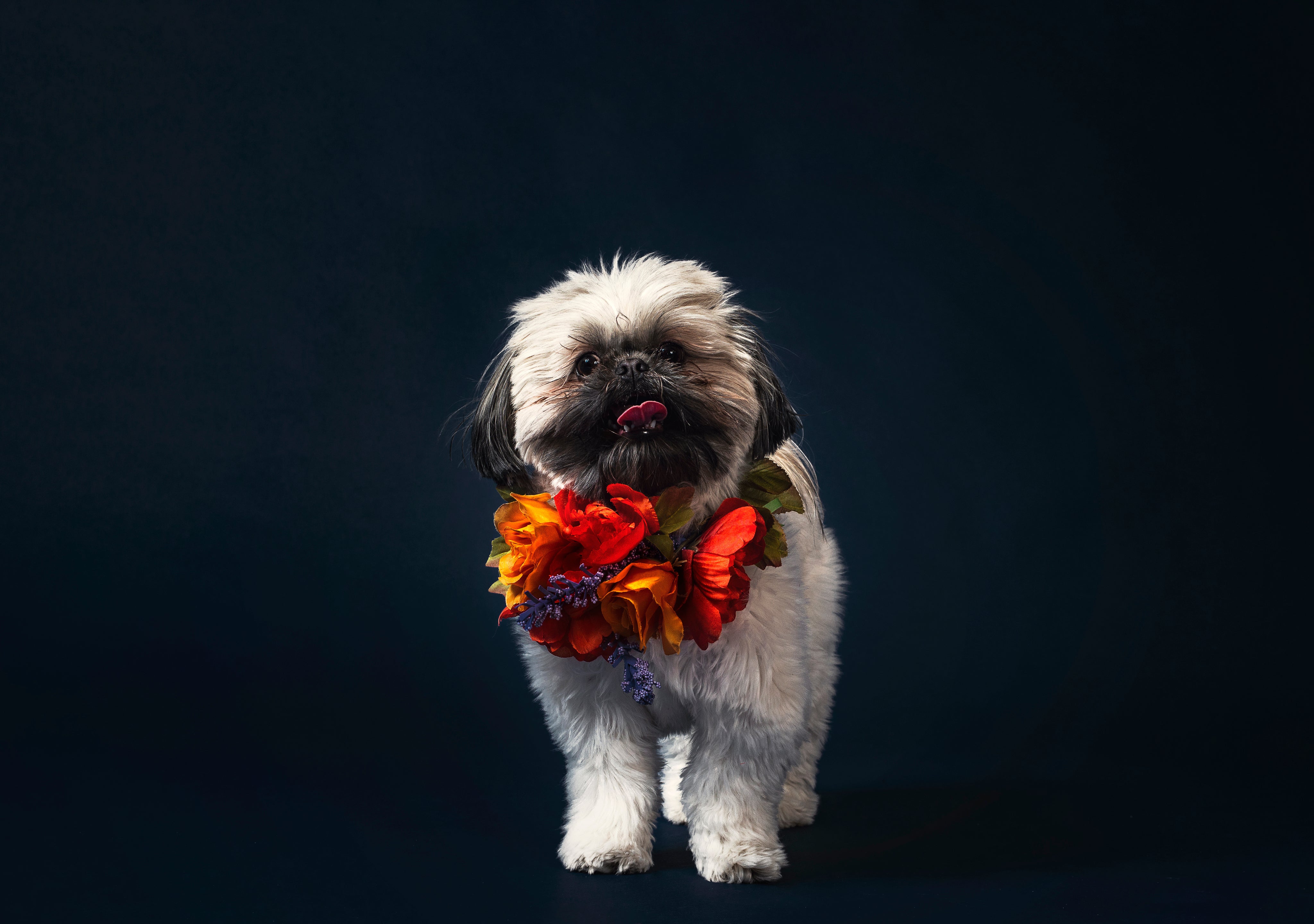
These are my dogs Frankie, he’s 2 and Roxy, she’s 6! They are outside all the time and we have woods behind the house. They never get fleas or ticks or anything else! Very happy with this product.

Not much to add. Dog tolerates it and price is good

This is the only flea medication that works for us where we live.

This on-line company is such a good find. They provide quality products at a good price with delivering them efficiently. Definitely recommend purchasing from them.

Items arrived on time and work great!

Love stronghold

Same product at a great price

Fast shipping great quality and price

We are happy with Heartgard Plus

I’ve been using Symperica Trio for a yr now. Love it. 79 pets ships fast and prices are more affordable. Thank You

Right after a haircut. 6 year old dashund/shih Tzu mix

Great deal on flea/tick. Helps take care of my pup
Stronghold Violet For Dogs 5-10lbs (2.6-5kg)

Two sweet girlies decided to make our deck their home. Mosquitoes are a big problem where we live and we had to get them protected. This was the best bang for the buck. I’ve ordered from 79Pets several times and while delivery is not fast it is very consistent.
Revolution Plus For Medium Cats 5.6-11 lbs (2.6-5kg)

As a retired veterinary technician I was extremely happy to finally see a flea and heartworm medication that actually does tapeworms too!!!!!!! This is a 1st to my knowledge....I live in a tropical climate where fleas never die so this is heaven sent.
Nexgard Combo For Cats 5.5-16.5 lbs (2.5-7.5 kg)

Great for free delivery worldwide and it took shorter time than I expected. Thanks
Simparica Trio For Dogs 5.6-11 lbs (2.5-5 kg)

My dog is excited to have her Advocate given every month! Great customer service and we're already a returned customer!
Advocate (Advantage Multi) For Small Dog Upto 4kg 8.8lbs (4kg)

Great price, authentic quality and reliable shipping. Shipping takes a bit longer, since it is being shipped from abroad. But still a reliable service.
NexGard & Heartgard (Green) Combo Dogs 24-60 lbs (10-25 kg)

79 pets has great service, they resolved my issue when I purchased by mistake . Thank you!
Simparica Trio For Dogs 22.1-44 lbs (10-20 kg)

Very happy with the price of Stronghold heart worm med for my dog. Seems to be working well.
Stronghold Teal For Dogs 44-88lbs (20-40kg)

My dog loves this product, never got any issue. Good price , deliver on time. We will definitely keep purchasing with 79 pets.com. Thanks!
Simparica Trio For Dogs 22.1-44 lbs (10-20 kg)

Great customer service! Would definitely purchase from them again!
Advocate (Advantage Multi) For Small Dog Upto 4kg 8.8lbs (4kg)

My fur babies love being protected from fleas!
Stronghold Blue For Cats 5.7-15.5lbs (2.6-7.5kg)

No more fleas! I love it and my pets love it!
Stronghold Teal For Dogs 44-88lbs (20-40kg)

I have 3 of these little rascals so Michigan flea/tick season can be financially brutal! Thank you for keeping NexGard so affordable.
NexGard Chew For Small Dogs 10-24lbs (4-10kg)

it is so easy to order
NexGard & Heartgard (Brown) Combo Dogs 60-121 lbs (25-50 kg)

I have no difficulty to give the tablet to my dog. I want my shipping to come faster by the way.
NexGard Spectra For Small Dog 8-16 lbs (3.5-7.5kg)

Stronghold Plus keep my baby safe
Stronghold Plus For Large Cats 11 lbs to 22 lbs (5-10kg)

Thank You 79pets
Stronghold Plus For Medium Cats 5.5 lbs to 11 lbs (2.5-5kg)

Advocate can only be found here n it's easier to order online. Thanks 79!
Advocate (Advantage Multi) For Cats Over 8.8lbs (4kg)

Great product and price. Shipping updates helped, since product comes from abroad. I would definitely recommend and use it again.
NexGard & Heartgard (Green) Combo Dogs 24-60 lbs (10-25 kg)

Easy to give!
NexGard Spectra For Small Dog 8-16 lbs (3.5-7.5kg)

Stronghold Plus does exactly what it was advertised for. Effective and best product. Would highly recommend Stronghold Plus.
Stronghold Plus For Cats 5.5 lbs to 11 lbs (2.5-5kg) 3 Pack

After Seresto collars failed to get rid of fleas, I didn't know where to turn. I saw a post on a page I follow (Kentucky Kitty Cats) saying that they use Nexgard Combo for the cats they shelter. I decided to try it and IT WORKS!
Nexgard Combo for Cats 5.5-16.5 lbs (2.5-7.5 kg)

My kitty love Revolution. One of the best product for flea & ticks. Good price will definitely recommend this website.
Revolution Plus For Medium Cats 5.6-11 lbs (2.6-5kg)

Tried this the first time and the correct medication was sent on time to me. Will definitely use this site again. Thanks!
Simparica Chewables For Very Small Dogs 5.6-11 lbs (2.5-5kg)

Happy Kitty
Revolution Plus For Medium Cats 5.6-11 lbs (2.6-5kg)

As described. Value for money
Nexgard Chew Red for Large Dogs Flea & Tick 60-121 lbs. (25-50kg)

This is Lexi Marie! She was wondering why mom was so excited for buying flea medicine. I explained to her that we saved $100 and that she would understand some day when she grows up.
Revolution Plus For Large Cats 11.1-22lbs (5-10kg)

Received on time. Thank You 79Pets
Nexgard Chew Red for Large Dogs Flea & Tick 60-121 lbs. (25-50kg)

Very good experience!
Revolution Plus For Large Cats 11.1-22lbs (5-10kg)