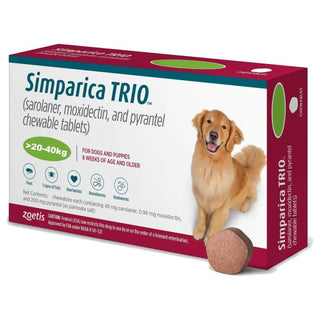
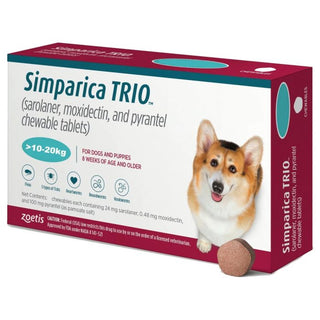


Not much to add. Dog tolerates it and price is good


Many cat parents are surprised to learn that cats can be trained to walk on a leash—just like dogs. While it may take patience, the experience can be enjoyable for both you and your feline companion. Leash training not only helps indoor cats explore the outdoors safely, but it also provides essential mental stimulation and exercise.
In this detailed guide, we’ll walk you through everything you need to know to leash train your cat confidently and gently. Whether your cat is a curious kitten or a calm adult, these steps can help you create a positive training experience.
Leash training is becoming increasingly popular among cat owners, and for good reasons:
1. Safe Outdoor Exploration
Cats love fresh air, new scents, and open spaces. A leash allows them to enjoy these safely without the risks of running away, encountering traffic, or fighting with other animals.
2. Mental and Physical Stimulation
Outdoor walks help reduce boredom and anxiety, especially for indoor cats who crave enrichment.
3. Improved Confidence
Timid cats can gradually become more confident when exposed to controlled outdoor environments.
4. Health Benefits
Walking can help maintain a healthy weight, improve mobility, and reduce stress-related behaviors like scratching or excessive meowing.
Before you begin leash training, gather the right tools:
✔ A Well-Fitting Cat Harness
A harness is essential—never attach a leash to a cat’s collar, as this can cause choking or injury. Choose a lightweight, adjustable harness designed specifically for cats. The harness should sit firmly in place while still allowing your cat to breathe comfortably.
✔ A Lightweight Leash
Select a thin, flexible leash that won’t frighten your cat. Avoid retractable leashes as the sudden tension can scare them.
✔ Treats and Positive Reinforcement
Small, tasty treats help motivate your cat and reward good behavior during training.
✔ A Calm Environment
Start your training indoors where your cat feels most comfortable.
Step 1: Introduce the Harness Slowly
Begin by letting your cat sniff and explore the harness. Leave it near their sleeping or feeding area for a few days. This helps the harness feel familiar and non-threatening.
When your cat seems comfortable, gently place the harness on without fastening it. Offer praise and treats. Once they accept the harness's feel, try securing it for short periods.
Tip: Keep sessions short at first—just 5–10 minutes.
Step 2: Let Your Cat Walk Indoors With the Harness On
Once your cat wears the harness comfortably, allow them to roam indoors:
Your goal at this stage is simple: help your cat feel normal while wearing the harness.
Some cats may freeze or flop over when the harness is put on. This is normal and usually improves with time.
Step 3: Attach the Leash Indoors
Once your cat feels relaxed wearing the harness, you can gently clip the leash onto it:
Once they’re used to the feeling, gently hold the leash. Follow your cat instead of leading them. This builds trust and prevents fear.
Step 4: Practice Guiding Your Cat Indoors
Start encouraging your cat to walk with you:
If they resist or seem scared, stop immediately and give them time to relax.
Step 5: Move to a Safe, Quiet Outdoor Area
When your cat walks comfortably on the leash indoors, it’s time to go outside. Choose a calm and controlled environment, like:
Avoid noisy, crowded places initially. New sights and sounds can overwhelm your cat.
Allow them to explore at their own pace. Stay patient and avoid pulling on the leash.
Step 6: Gradually Increase Outdoor Time
As your cat grows more confident:
Every cat learns at a different speed. Some adapt within a week, while others require several months. Consistency is key.
❗ Your Cat Refuses the Harness
Try a different style or softer material. Cats are sensitive to textures and shapes.
❗ Freezing or Rolling Over
This is usually your cat adjusting to the new sensation. Keep sessions short and encourage movement with toys or treats.
❗ Fear of Outdoor Noises
Start with very quiet outdoor areas. Holding your cat or returning indoors can help them feel safe.
❗ Pulling or Resistance
Never tug the leash. Cats don’t respond to pressure the same way dogs do. Instead, motivate with treats or gentle guidance.
Leash training may not be suitable for:
If your cat shows any signs of extreme stress, it’s best to stop the training process and explore indoor enrichment options instead.
Teaching your cat to walk on a leash can be a truly enjoyable experience, helping you build a stronger connection while allowing your feline friend to safely discover the world alongside you. With patience, the right equipment, and consistent positive reinforcement, most cats can learn to enjoy safe outdoor adventures.
Whether your cat is a playful kitten or a calm adult, taking small steps and respecting their comfort level will help you succeed. Enjoy the journey—and remember, every cat learns at their own pace.

Overall rating: 4.8 / 5 from 1134 reviews.
Not much to add. Dog tolerates it and price is good

This is the only flea medication that works for us where we live.

This on-line company is such a good find. They provide quality products at a good price with delivering them efficiently. Definitely recommend purchasing from them.

Items arrived on time and work great!

Love stronghold

Same product at a great price

Fast shipping great quality and price

We are happy with Heartgard Plus

I’ve been using Symperica Trio for a yr now. Love it. 79 pets ships fast and prices are more affordable. Thank You

Right after a haircut. 6 year old dashund/shih Tzu mix

Great deal on flea/tick. Helps take care of my pup
Stronghold Violet For Dogs 5-10lbs (2.6-5kg)

Two sweet girlies decided to make our deck their home. Mosquitoes are a big problem where we live and we had to get them protected. This was the best bang for the buck. I’ve ordered from 79Pets several times and while delivery is not fast it is very consistent.
Revolution Plus For Medium Cats 5.6-11 lbs (2.6-5kg)

As a retired veterinary technician I was extremely happy to finally see a flea and heartworm medication that actually does tapeworms too!!!!!!! This is a 1st to my knowledge....I live in a tropical climate where fleas never die so this is heaven sent.
Nexgard Combo For Cats 5.5-16.5 lbs (2.5-7.5 kg)

Great for free delivery worldwide and it took shorter time than I expected. Thanks
Simparica Trio For Dogs 5.6-11 lbs (2.5-5 kg)

My dog is excited to have her Advocate given every month! Great customer service and we're already a returned customer!
Advocate (Advantage Multi) For Small Dog Upto 4kg 8.8lbs (4kg)

Great price, authentic quality and reliable shipping. Shipping takes a bit longer, since it is being shipped from abroad. But still a reliable service.
NexGard & Heartgard (Green) Combo Dogs 24-60 lbs (10-25 kg)

79 pets has great service, they resolved my issue when I purchased by mistake . Thank you!
Simparica Trio For Dogs 22.1-44 lbs (10-20 kg)

Very happy with the price of Stronghold heart worm med for my dog. Seems to be working well.
Stronghold Teal For Dogs 44-88lbs (20-40kg)

My dog loves this product, never got any issue. Good price , deliver on time. We will definitely keep purchasing with 79 pets.com. Thanks!
Simparica Trio For Dogs 22.1-44 lbs (10-20 kg)

Great customer service! Would definitely purchase from them again!
Advocate (Advantage Multi) For Small Dog Upto 4kg 8.8lbs (4kg)

My fur babies love being protected from fleas!
Stronghold Blue For Cats 5.7-15.5lbs (2.6-7.5kg)

No more fleas! I love it and my pets love it!
Stronghold Teal For Dogs 44-88lbs (20-40kg)

I have 3 of these little rascals so Michigan flea/tick season can be financially brutal! Thank you for keeping NexGard so affordable.
NexGard Chew For Small Dogs 10-24lbs (4-10kg)

it is so easy to order
NexGard & Heartgard (Brown) Combo Dogs 60-121 lbs (25-50 kg)

I have no difficulty to give the tablet to my dog. I want my shipping to come faster by the way.
NexGard Spectra For Small Dog 8-16 lbs (3.5-7.5kg)

Stronghold Plus keep my baby safe
Stronghold Plus For Large Cats 11 lbs to 22 lbs (5-10kg)

Thank You 79pets
Stronghold Plus For Medium Cats 5.5 lbs to 11 lbs (2.5-5kg)

Advocate can only be found here n it's easier to order online. Thanks 79!
Advocate (Advantage Multi) For Cats Over 8.8lbs (4kg)

Great product and price. Shipping updates helped, since product comes from abroad. I would definitely recommend and use it again.
NexGard & Heartgard (Green) Combo Dogs 24-60 lbs (10-25 kg)

Easy to give!
NexGard Spectra For Small Dog 8-16 lbs (3.5-7.5kg)

Stronghold Plus does exactly what it was advertised for. Effective and best product. Would highly recommend Stronghold Plus.
Stronghold Plus For Cats 5.5 lbs to 11 lbs (2.5-5kg) 3 Pack

After Seresto collars failed to get rid of fleas, I didn't know where to turn. I saw a post on a page I follow (Kentucky Kitty Cats) saying that they use Nexgard Combo for the cats they shelter. I decided to try it and IT WORKS!
Nexgard Combo for Cats 5.5-16.5 lbs (2.5-7.5 kg)

My kitty love Revolution. One of the best product for flea & ticks. Good price will definitely recommend this website.
Revolution Plus For Medium Cats 5.6-11 lbs (2.6-5kg)

Tried this the first time and the correct medication was sent on time to me. Will definitely use this site again. Thanks!
Simparica Chewables For Very Small Dogs 5.6-11 lbs (2.5-5kg)

Happy Kitty
Revolution Plus For Medium Cats 5.6-11 lbs (2.6-5kg)

As described. Value for money
Nexgard Chew Red for Large Dogs Flea & Tick 60-121 lbs. (25-50kg)

This is Lexi Marie! She was wondering why mom was so excited for buying flea medicine. I explained to her that we saved $100 and that she would understand some day when she grows up.
Revolution Plus For Large Cats 11.1-22lbs (5-10kg)

Received on time. Thank You 79Pets
Nexgard Chew Red for Large Dogs Flea & Tick 60-121 lbs. (25-50kg)

Very good experience!
Revolution Plus For Large Cats 11.1-22lbs (5-10kg)

Last year, I made a visit to the vet. I told them that Kattie/cat had ear mites. They gave me an ointment costing $80canadian. I used it up and purchased another bottle. $160. total not including the cost of the vet visit. No results. The ear mites have been there for a long time. Canadian vets have control of what is sold in Pet stores and you cannot purchase off the shelf products not recognized by them. I jumped at the chance to purchase your produce with a recommended 100% effectivity. I was willing to try, but was suspicions. After a month there was still a little scratching but after 6 weeks, the mites are gone and the scratching is gone. Thank you very much for this mite solution. I recommend it heartily. Harry P.S. Do not tell the Canadian vets as they will outlaw your product.
Revolution Plus For Medium Cats 5.6-11 lbs (2.6-5kg)