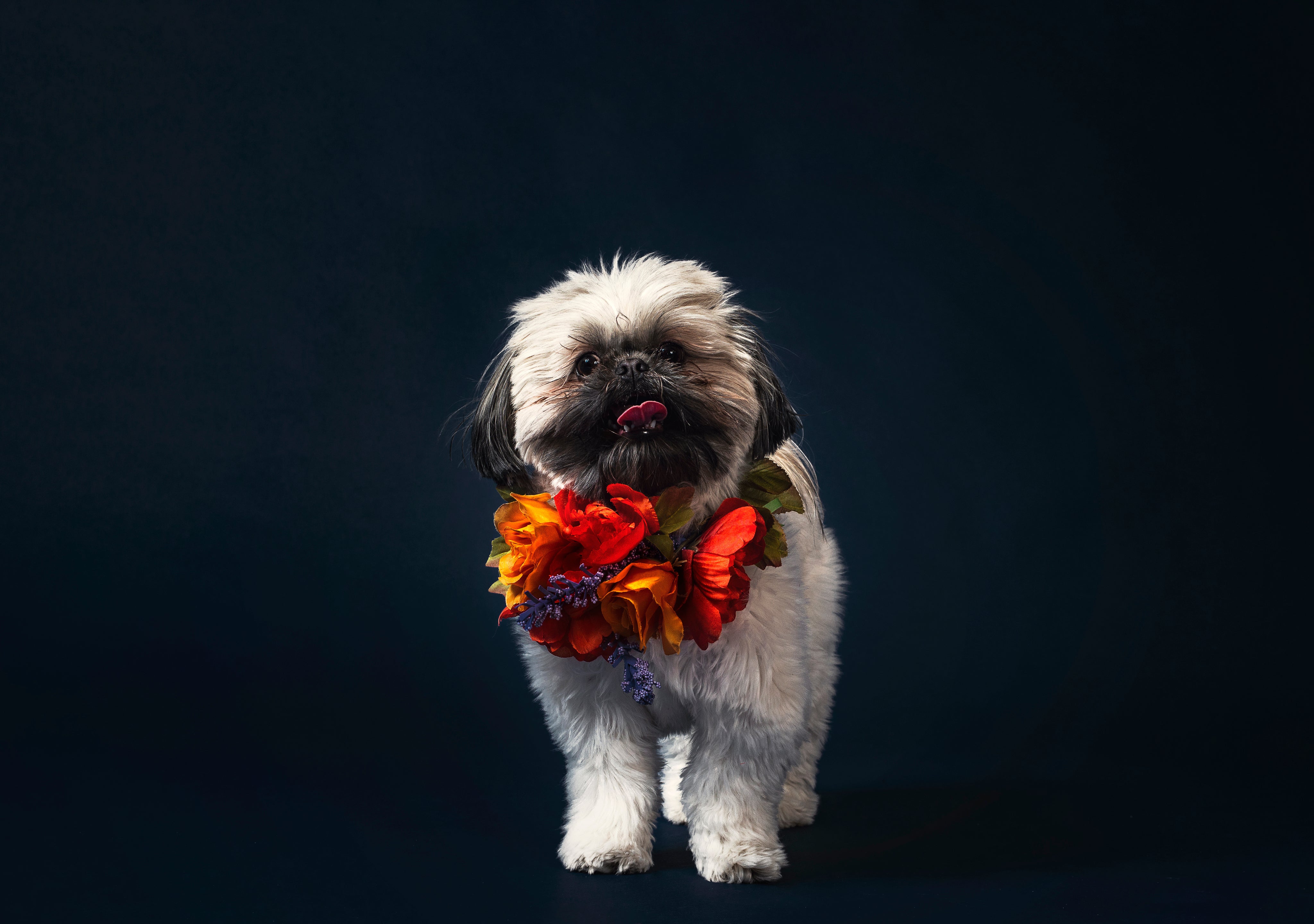

Dogs are famous for their unwavering loyalty—but this isn’t just a coincidence or a “cute trait.” It’s a powerful mix of evolution, biology, and emotional connection that has developed over thousands of years. Let’s break down why dogs are truly one of the most loyal companions humans have ever known.
1. Loyalty Is in Their DNA
Dogs didn’t randomly become loyal—they inherited it.
Modern dogs evolved from wolves, which are naturally pack animals. In the wild, survival depends on cooperation, trust, and loyalty within the pack. When dogs were domesticated, humans essentially became their new “pack.”
That means:
- You are their family.
- Your home is their territory.
- Your safety matters to them.
This deep-rooted pack instinct is one of the biggest reasons dogs stay loyal for life.
2. A 16,000-Year Partnership with Humans
Over centuries, dogs and humans have developed a strong bond, cooperating in tasks like hunting, guarding, and helping each other thrive in daily life.
This long history created a mutual relationship:
- Humans provided food and shelter.
- Dogs offered protection and companionship.
Over time, this partnership became embedded in their behavior. Even today, your dog naturally sees you as someone worth protecting and staying close to.
3. Yes, Food and Care Play a Role
Let’s be honest—food matters.
Dogs often form stronger attachments to the person who feeds and cares for them daily. This is part of a simple survival instinct:
“If you take care of me, I’ll stay close to you.”
But loyalty isn’t just about food—otherwise, dogs would switch owners easily. Instead, they form deep emotional bonds, which go far beyond basic needs.
4. The “Love Hormone” Connection
Science shows that dogs don’t just rely on instinct—they actually feel a bond with you.
When you interact with your dog (petting, eye contact, playing), both of you release oxytocin, often called the “love hormone.”
This creates:
- Trust and emotional attachment
- A sense of comfort and safety
- A genuine feeling of connection
That’s why your dog gets excited when you come home—they’re not just reacting, they’re emotionally connected to you.
5. Dogs Are Naturally Social and Devoted
Unlike many animals, dogs are highly social and thrive on relationships.
They:
- Seek companionship constantly.
- Follow routines with their humans.
- Look to their owners for guidance.
In fact, dogs often view their owners as their “leader,” and their instinct is to stay loyal and protective toward that leader.
6. Loyalty Helps Them Feel Safe
For dogs, loyalty isn’t just emotional—it’s practical.
Staying close to their human:
- Provides security
- Reduces stress
- Ensures access to food and shelter
So loyalty is both a survival strategy and a bonding behavior.
7. They Love Without Judgment
One of the most special things about dogs is how they treat people.
Research shows dogs are often perceived as:
- Non-judgmental
- Constantly supportive
- Emotionally reliable companions
They don’t hold grudges. They don’t care about your bad day.
They simply stay by your side—no conditions attached.
Final Thoughts
Dogs are loyal not because they’re “trained” to be—but because everything about them, from their genes to their emotions, is built for connection.
Their loyalty comes from:
- Evolution and pack instincts
- Thousands of years with humans
- Emotional bonding and hormones
- Daily care and shared experiences
❤️ In simple words:
Your dog isn’t just loyal because you feed them—your dog is loyal because you are their world.