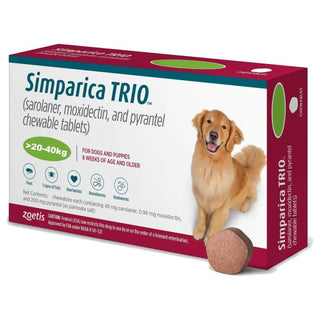
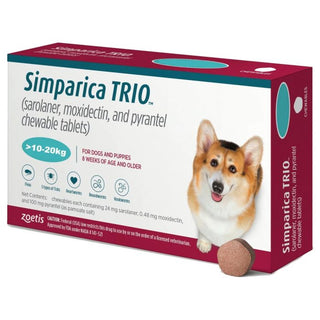


Not much to add. Dog tolerates it and price is good


A single squeak can turn an ordinary play session into your dog’s favorite part of the day. Some dogs carry squeaky toys everywhere, while others repeatedly bite, shake, or tear them apart.
So, why do dogs like squeaky toys so much? The answer involves natural hunting instincts, the satisfaction of chewing, and the immediate reward created by the squeaking sound.
Dogs are domesticated pets, but many still have behaviors inherited from their predatory ancestors. A high-pitched squeak can resemble the sound made by a small animal, attracting a dog’s attention and encouraging chasing, biting, or shaking.
This does not mean your dog is aggressive. It is usually a normal form of play that gives them a safe outlet for instinctive behavior. Dogs with strong hunting backgrounds, including some terriers, retrievers, and dachshunds, may show greater interest in squeaking toys. However, dogs of any breed can enjoy them.
One important explanation for why dogs like squeaky toys is the immediate response they receive.
When your dog bites an ordinary toy, nothing necessarily happens. When they bite a squeaky toy, however, it makes a sound instantly. This teaches the dog that their action created an exciting result.
The squeak acts like positive feedback, motivating your dog to bite the toy again. This repeated action-and-reward cycle can keep dogs interested longer than toys that remain silent.
Chewing is a normal canine behavior at every life stage. Puppies may chew to explore their environment and relieve teething discomfort, while adult dogs may chew for enjoyment, relaxation, or stimulation.
A squeaky toy combines a satisfying texture with an entertaining sound. Some dogs prefer soft plush toys they can carry, while powerful chewers may enjoy thicker rubber toys that provide more resistance.
Choose the material according to your dog’s age, size, and chewing strength rather than selecting a toy based only on its appearance.
Dogs require regular mental enrichment in addition to daily physical activity. Interactive toys can encourage dogs to investigate, chase, retrieve, and solve simple challenges.
The unpredictable sound of a squeaker makes the toy feel responsive. Your dog may toss it into the air, chase it across the room, or search for the part that's making the noise.
Understanding why dogs like squeaky toys can help you use them in different activities, including:
Squeaking toys can provide an appropriate outlet for energy and help prevent boredom when used as part of a varied play routine.
Dogs quickly learn which behaviors attract their owners. When your dog squeaks a toy and you respond by talking, laughing, throwing it, or starting a game, your attention becomes another reward.
Over time, your dog may bring you the toy and squeeze it deliberately as an invitation to play. Squeaky toys encourage shared playtime and can create a closer connection between dogs and their owners.
Have you ever given your dog a new toy only to find the stuffing scattered across the floor shortly afterward?
Some dogs are determined to locate and remove the object making the noise. Biting, shaking, and opening the toy may resemble the final stages of their natural predatory sequence.
This is another reason why dogs like squeaky toys, but it also creates a safety concern. Once a toy is torn open, your dog may swallow the squeaker, fabric, stuffing, or rubber pieces.
Squeaky toys can be beneficial when they are appropriately sized and used safely. They may provide:
However, no toy should be considered completely indestructible. Dogs that aggressively dismantle toys require closer supervision and more durable options.
Select a toy that is large enough that your dog cannot swallow it or fit the entire item inside their mouth.
Consider your dog’s usual play style:
A toy that is suitable for a small, gentle dog may not be safe for a large dog with a strong jaw.
Always supervise your dog when introducing a new squeaky toy. Watch how quickly they damage it and whether they attempt to swallow loose pieces.
Inspect toys regularly and remove them when you notice:
Swallowed toy parts can cause choking or gastrointestinal blockage, sometimes requiring urgent veterinary treatment. Contact your veterinarian promptly if your dog swallows a squeaker or develops vomiting, reduced appetite, abdominal discomfort, or difficulty passing stool.
Not every dog enjoys loud toys, and that is completely normal. Some dogs are sensitive to high-pitched noises, while others prefer balls, ropes, chew toys, food puzzles, or soft toys without squeakers.
Age, past experiences, personality, and play style can all influence toy preferences. There is no need to force your dog to play with a squeaky toy if they appear nervous or uninterested.
The answer to why dogs like squeaky toys usually comes down to instinct, reward, chewing satisfaction, and interaction. The noise captures their attention; they respond immediately to their bite and can turn an ordinary toy into an exciting play experience.
Select a toy suited to your dog’s size and chewing strength, monitor them during play, and discard any toy once it becomes worn or damaged. With the right precautions, squeaky toys can offer safe entertainment, valuable enrichment, and enjoyable bonding time.

Overall rating: 4.8 / 5 from 1134 reviews.
Not much to add. Dog tolerates it and price is good

This is the only flea medication that works for us where we live.

This on-line company is such a good find. They provide quality products at a good price with delivering them efficiently. Definitely recommend purchasing from them.

Items arrived on time and work great!

Love stronghold

Same product at a great price

Fast shipping great quality and price

We are happy with Heartgard Plus

I’ve been using Symperica Trio for a yr now. Love it. 79 pets ships fast and prices are more affordable. Thank You

Right after a haircut. 6 year old dashund/shih Tzu mix

Great deal on flea/tick. Helps take care of my pup
Stronghold Violet For Dogs 5-10lbs (2.6-5kg)

Two sweet girlies decided to make our deck their home. Mosquitoes are a big problem where we live and we had to get them protected. This was the best bang for the buck. I’ve ordered from 79Pets several times and while delivery is not fast it is very consistent.
Revolution Plus For Medium Cats 5.6-11 lbs (2.6-5kg)

As a retired veterinary technician I was extremely happy to finally see a flea and heartworm medication that actually does tapeworms too!!!!!!! This is a 1st to my knowledge....I live in a tropical climate where fleas never die so this is heaven sent.
Nexgard Combo For Cats 5.5-16.5 lbs (2.5-7.5 kg)

Great for free delivery worldwide and it took shorter time than I expected. Thanks
Simparica Trio For Dogs 5.6-11 lbs (2.5-5 kg)

My dog is excited to have her Advocate given every month! Great customer service and we're already a returned customer!
Advocate (Advantage Multi) For Small Dog Upto 4kg 8.8lbs (4kg)

Great price, authentic quality and reliable shipping. Shipping takes a bit longer, since it is being shipped from abroad. But still a reliable service.
NexGard & Heartgard (Green) Combo Dogs 24-60 lbs (10-25 kg)

79 pets has great service, they resolved my issue when I purchased by mistake . Thank you!
Simparica Trio For Dogs 22.1-44 lbs (10-20 kg)

Very happy with the price of Stronghold heart worm med for my dog. Seems to be working well.
Stronghold Teal For Dogs 44-88lbs (20-40kg)

My dog loves this product, never got any issue. Good price , deliver on time. We will definitely keep purchasing with 79 pets.com. Thanks!
Simparica Trio For Dogs 22.1-44 lbs (10-20 kg)

Great customer service! Would definitely purchase from them again!
Advocate (Advantage Multi) For Small Dog Upto 4kg 8.8lbs (4kg)

My fur babies love being protected from fleas!
Stronghold Blue For Cats 5.7-15.5lbs (2.6-7.5kg)

No more fleas! I love it and my pets love it!
Stronghold Teal For Dogs 44-88lbs (20-40kg)

I have 3 of these little rascals so Michigan flea/tick season can be financially brutal! Thank you for keeping NexGard so affordable.
NexGard Chew For Small Dogs 10-24lbs (4-10kg)

it is so easy to order
NexGard & Heartgard (Brown) Combo Dogs 60-121 lbs (25-50 kg)

I have no difficulty to give the tablet to my dog. I want my shipping to come faster by the way.
NexGard Spectra For Small Dog 8-16 lbs (3.5-7.5kg)

Stronghold Plus keep my baby safe
Stronghold Plus For Large Cats 11 lbs to 22 lbs (5-10kg)

Thank You 79pets
Stronghold Plus For Medium Cats 5.5 lbs to 11 lbs (2.5-5kg)

Advocate can only be found here n it's easier to order online. Thanks 79!
Advocate (Advantage Multi) For Cats Over 8.8lbs (4kg)

Great product and price. Shipping updates helped, since product comes from abroad. I would definitely recommend and use it again.
NexGard & Heartgard (Green) Combo Dogs 24-60 lbs (10-25 kg)

Easy to give!
NexGard Spectra For Small Dog 8-16 lbs (3.5-7.5kg)

Stronghold Plus does exactly what it was advertised for. Effective and best product. Would highly recommend Stronghold Plus.
Stronghold Plus For Cats 5.5 lbs to 11 lbs (2.5-5kg) 3 Pack

After Seresto collars failed to get rid of fleas, I didn't know where to turn. I saw a post on a page I follow (Kentucky Kitty Cats) saying that they use Nexgard Combo for the cats they shelter. I decided to try it and IT WORKS!
Nexgard Combo for Cats 5.5-16.5 lbs (2.5-7.5 kg)

My kitty love Revolution. One of the best product for flea & ticks. Good price will definitely recommend this website.
Revolution Plus For Medium Cats 5.6-11 lbs (2.6-5kg)

Tried this the first time and the correct medication was sent on time to me. Will definitely use this site again. Thanks!
Simparica Chewables For Very Small Dogs 5.6-11 lbs (2.5-5kg)

Happy Kitty
Revolution Plus For Medium Cats 5.6-11 lbs (2.6-5kg)

As described. Value for money
Nexgard Chew Red for Large Dogs Flea & Tick 60-121 lbs. (25-50kg)

This is Lexi Marie! She was wondering why mom was so excited for buying flea medicine. I explained to her that we saved $100 and that she would understand some day when she grows up.
Revolution Plus For Large Cats 11.1-22lbs (5-10kg)

Received on time. Thank You 79Pets
Nexgard Chew Red for Large Dogs Flea & Tick 60-121 lbs. (25-50kg)

Very good experience!
Revolution Plus For Large Cats 11.1-22lbs (5-10kg)

Last year, I made a visit to the vet. I told them that Kattie/cat had ear mites. They gave me an ointment costing $80canadian. I used it up and purchased another bottle. $160. total not including the cost of the vet visit. No results. The ear mites have been there for a long time. Canadian vets have control of what is sold in Pet stores and you cannot purchase off the shelf products not recognized by them. I jumped at the chance to purchase your produce with a recommended 100% effectivity. I was willing to try, but was suspicions. After a month there was still a little scratching but after 6 weeks, the mites are gone and the scratching is gone. Thank you very much for this mite solution. I recommend it heartily. Harry P.S. Do not tell the Canadian vets as they will outlaw your product.
Revolution Plus For Medium Cats 5.6-11 lbs (2.6-5kg)