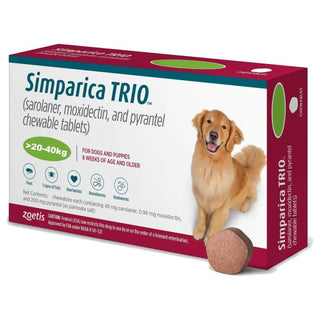
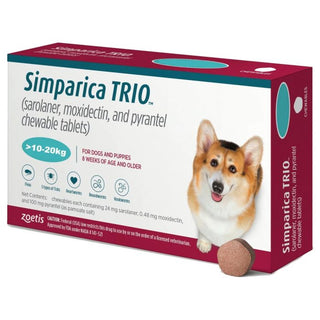


Not much to add. Dog tolerates it and price is good


Cats are known for being calm, graceful, and independent, but, like humans, they can experience intense fear or stress that can lead to panic attacks. When a cat suddenly becomes extremely frightened, confused, or agitated, it may be experiencing a panic episode. These episodes can be scary for pet owners to witness, especially when they occur without warning. Understanding what triggers panic attacks in cats, how to identify the symptoms, and what treatment options are available can help you support your feline companion and improve their overall well-being.
In this comprehensive guide, we explain the common causes of panic attacks in cats, the signs you should watch for, and how to manage and prevent these episodes effectively.
A panic attack in a cat is an abrupt episode of intense fear, stress, or anxiety that triggers sudden physical and behavioral reactions. During these episodes, the cat’s fight-or-flight response becomes activated, even when there is no real danger. This response can make a cat run, hide, cry, scratch, or even lash out in confusion.
Panic attacks are often linked to underlying anxiety disorders, past trauma, or environmental stress. While a single episode may not always be cause for alarm, frequent or severe panic attacks require veterinary attention.
Many different factors can trigger panic episodes. Identifying the causes of your cat's anxiety is the first step toward treatment and prevention.
1. Loud Noises and Sudden Movements
Cats are highly sensitive to sound. Fireworks, thunderstorms, construction noise, or even loud household appliances can trigger panic. Sudden movements—such as dropping objects or making quick gestures—can also create fear.
2. Changes in the Environment
Cats thrive on routine. Any significant change, such as moving to a new home, the arrival of a new pet, new furniture, or guests visiting, can create significant stress.
3. Past Trauma or Negative Experiences
Cats that have experienced abuse, abandonment, or frightening events in the past may react strongly to situations that remind them of those experiences.
4. Separation Anxiety
Some cats form strong bonds with their owners and become anxious when left alone. This may lead to destructive behavior, crying, or panic responses.
5. Illness or Pain
Pain, neurological issues, hormonal imbalances, or certain medical conditions may cause unusual behavior that appears as panic. Cats often hide discomfort, so behavior changes should never be ignored.
6. Fear of Other Animals
Conflicts with other pets—especially aggressive cats or dogs—can cause panic attacks. Even outdoor cats passing by the window can increase stress.
7. Overstimulation
Cats can sometimes become overwhelmed during play, grooming, or petting. What starts as enjoyment can quickly turn into anxiety if the cat feels trapped or overstimulated.
Panic attacks can appear differently in each cat, but common symptoms include:
If your cat shows these symptoms frequently, it may be experiencing chronic anxiety rather than isolated episodes.
Your response during an episode can help your cat feel safer and reduce the duration of the panic attack.
1. Stay Calm Yourself
Cats pick up on human emotions. Staying calm helps prevent the situation from escalating.
2. Give Your Cat Space
Avoid grabbing, restraining, or forcing comfort. A panicking cat may unintentionally scratch or bite.
3. Reduce Noise and Movement
Turn off loud appliances, lower lights, and reduce activity around your cat to help them feel secure.
4. Create a Safe Environment
Place your cat in a quiet, cozy room with blankets, water, and a familiar scent. A calm environment allows them to self-regulate.
Managing panic attacks often requires a combination of behavioral and medical approaches. Your veterinarian may recommend:
1. Behavioral Modification
Training techniques such as desensitization or positive reinforcement can help build your cat’s confidence and reduce anxiety triggers over time.
2. Environmental Enrichment
Providing cat trees, scratching posts, hiding spots, and interactive toys helps reduce stress and encourage natural behaviors.
3. Pheromone Diffusers (Like Feliway)
Synthetic facial pheromones can help create a calming environment and reduce anxiety episodes.
4. Anti-Anxiety Medication
For severe cases, veterinarians may prescribe medication to help control panic attacks and manage chronic anxiety.
5. Routine & Predictability
Cats feel more secure when their schedule stays consistent. Feeding, playtime, and bedtime routines can significantly reduce stress.
6. Addressing Underlying Medical Conditions
If panic attacks are caused by pain, illness, or neurological problems, treating the underlying condition will help resolve the anxiety.
Prevention is an important part of long-term care. Consider these strategies to help keep your cat calm:
1. Create a Stress-Free Home
Keep your cat’s environment predictable and peaceful. Provide high perches, hideouts, and resting spots.
2. Socialize Early (If Possible)
Kittens that experience positive interactions with people, pets, and environments are less likely to develop anxiety later in life.
3. Use Calming Products
Calming sprays, diffusers, and supplements can be helpful during stressful situations, such as holidays or travel.
4. Avoid Punishment
Yelling or scolding increases fear and can lead to more panic attacks. Use gentle correction and positive reinforcement instead.
5. Gradual Exposure to New Experiences
Introduce changes slowly—new pets, rooms, or routines should be introduced gradually.
Seek professional care if:
A veterinarian can diagnose the cause accurately and suggest a customized treatment plan.
Panic attacks in cats can be distressing for both pets and owners, but with understanding, patience, and proper care, these episodes can be controlled and even prevented. By identifying triggers, creating a calm home environment, and seeking veterinary guidance when needed, you can help your cat feel safe and confident again.
A calm, stable environment combined with early intervention is essential for your cat’s mental health. With the proper support, your feline friend can live a happy, relaxed, and stress-free life.

Overall rating: 4.8 / 5 from 1134 reviews.
Not much to add. Dog tolerates it and price is good

This is the only flea medication that works for us where we live.

This on-line company is such a good find. They provide quality products at a good price with delivering them efficiently. Definitely recommend purchasing from them.

Items arrived on time and work great!

Love stronghold

Same product at a great price

Fast shipping great quality and price

We are happy with Heartgard Plus

I’ve been using Symperica Trio for a yr now. Love it. 79 pets ships fast and prices are more affordable. Thank You

Right after a haircut. 6 year old dashund/shih Tzu mix

Great deal on flea/tick. Helps take care of my pup
Stronghold Violet For Dogs 5-10lbs (2.6-5kg)

Two sweet girlies decided to make our deck their home. Mosquitoes are a big problem where we live and we had to get them protected. This was the best bang for the buck. I’ve ordered from 79Pets several times and while delivery is not fast it is very consistent.
Revolution Plus For Medium Cats 5.6-11 lbs (2.6-5kg)

As a retired veterinary technician I was extremely happy to finally see a flea and heartworm medication that actually does tapeworms too!!!!!!! This is a 1st to my knowledge....I live in a tropical climate where fleas never die so this is heaven sent.
Nexgard Combo For Cats 5.5-16.5 lbs (2.5-7.5 kg)

Great for free delivery worldwide and it took shorter time than I expected. Thanks
Simparica Trio For Dogs 5.6-11 lbs (2.5-5 kg)

My dog is excited to have her Advocate given every month! Great customer service and we're already a returned customer!
Advocate (Advantage Multi) For Small Dog Upto 4kg 8.8lbs (4kg)

Great price, authentic quality and reliable shipping. Shipping takes a bit longer, since it is being shipped from abroad. But still a reliable service.
NexGard & Heartgard (Green) Combo Dogs 24-60 lbs (10-25 kg)

79 pets has great service, they resolved my issue when I purchased by mistake . Thank you!
Simparica Trio For Dogs 22.1-44 lbs (10-20 kg)

Very happy with the price of Stronghold heart worm med for my dog. Seems to be working well.
Stronghold Teal For Dogs 44-88lbs (20-40kg)

My dog loves this product, never got any issue. Good price , deliver on time. We will definitely keep purchasing with 79 pets.com. Thanks!
Simparica Trio For Dogs 22.1-44 lbs (10-20 kg)

Great customer service! Would definitely purchase from them again!
Advocate (Advantage Multi) For Small Dog Upto 4kg 8.8lbs (4kg)

My fur babies love being protected from fleas!
Stronghold Blue For Cats 5.7-15.5lbs (2.6-7.5kg)

No more fleas! I love it and my pets love it!
Stronghold Teal For Dogs 44-88lbs (20-40kg)

I have 3 of these little rascals so Michigan flea/tick season can be financially brutal! Thank you for keeping NexGard so affordable.
NexGard Chew For Small Dogs 10-24lbs (4-10kg)

it is so easy to order
NexGard & Heartgard (Brown) Combo Dogs 60-121 lbs (25-50 kg)

I have no difficulty to give the tablet to my dog. I want my shipping to come faster by the way.
NexGard Spectra For Small Dog 8-16 lbs (3.5-7.5kg)

Stronghold Plus keep my baby safe
Stronghold Plus For Large Cats 11 lbs to 22 lbs (5-10kg)

Thank You 79pets
Stronghold Plus For Medium Cats 5.5 lbs to 11 lbs (2.5-5kg)

Advocate can only be found here n it's easier to order online. Thanks 79!
Advocate (Advantage Multi) For Cats Over 8.8lbs (4kg)

Great product and price. Shipping updates helped, since product comes from abroad. I would definitely recommend and use it again.
NexGard & Heartgard (Green) Combo Dogs 24-60 lbs (10-25 kg)

Easy to give!
NexGard Spectra For Small Dog 8-16 lbs (3.5-7.5kg)

Stronghold Plus does exactly what it was advertised for. Effective and best product. Would highly recommend Stronghold Plus.
Stronghold Plus For Cats 5.5 lbs to 11 lbs (2.5-5kg) 3 Pack

After Seresto collars failed to get rid of fleas, I didn't know where to turn. I saw a post on a page I follow (Kentucky Kitty Cats) saying that they use Nexgard Combo for the cats they shelter. I decided to try it and IT WORKS!
Nexgard Combo for Cats 5.5-16.5 lbs (2.5-7.5 kg)

My kitty love Revolution. One of the best product for flea & ticks. Good price will definitely recommend this website.
Revolution Plus For Medium Cats 5.6-11 lbs (2.6-5kg)

Tried this the first time and the correct medication was sent on time to me. Will definitely use this site again. Thanks!
Simparica Chewables For Very Small Dogs 5.6-11 lbs (2.5-5kg)

Happy Kitty
Revolution Plus For Medium Cats 5.6-11 lbs (2.6-5kg)

As described. Value for money
Nexgard Chew Red for Large Dogs Flea & Tick 60-121 lbs. (25-50kg)

This is Lexi Marie! She was wondering why mom was so excited for buying flea medicine. I explained to her that we saved $100 and that she would understand some day when she grows up.
Revolution Plus For Large Cats 11.1-22lbs (5-10kg)

Received on time. Thank You 79Pets
Nexgard Chew Red for Large Dogs Flea & Tick 60-121 lbs. (25-50kg)

Very good experience!
Revolution Plus For Large Cats 11.1-22lbs (5-10kg)

Last year, I made a visit to the vet. I told them that Kattie/cat had ear mites. They gave me an ointment costing $80canadian. I used it up and purchased another bottle. $160. total not including the cost of the vet visit. No results. The ear mites have been there for a long time. Canadian vets have control of what is sold in Pet stores and you cannot purchase off the shelf products not recognized by them. I jumped at the chance to purchase your produce with a recommended 100% effectivity. I was willing to try, but was suspicions. After a month there was still a little scratching but after 6 weeks, the mites are gone and the scratching is gone. Thank you very much for this mite solution. I recommend it heartily. Harry P.S. Do not tell the Canadian vets as they will outlaw your product.
Revolution Plus For Medium Cats 5.6-11 lbs (2.6-5kg)